How should you brush your teeth?
To brush teeth properly, use a soft brush and a fluoride toothpaste, angle the bristles at about 45 degrees to the gumline, and work gently in small movements for about two minutes, twice a day. The goal is to disturb plaque at the gum margin without scrubbing hard. How to brush teeth well is less about force and more about angle, time and consistency.
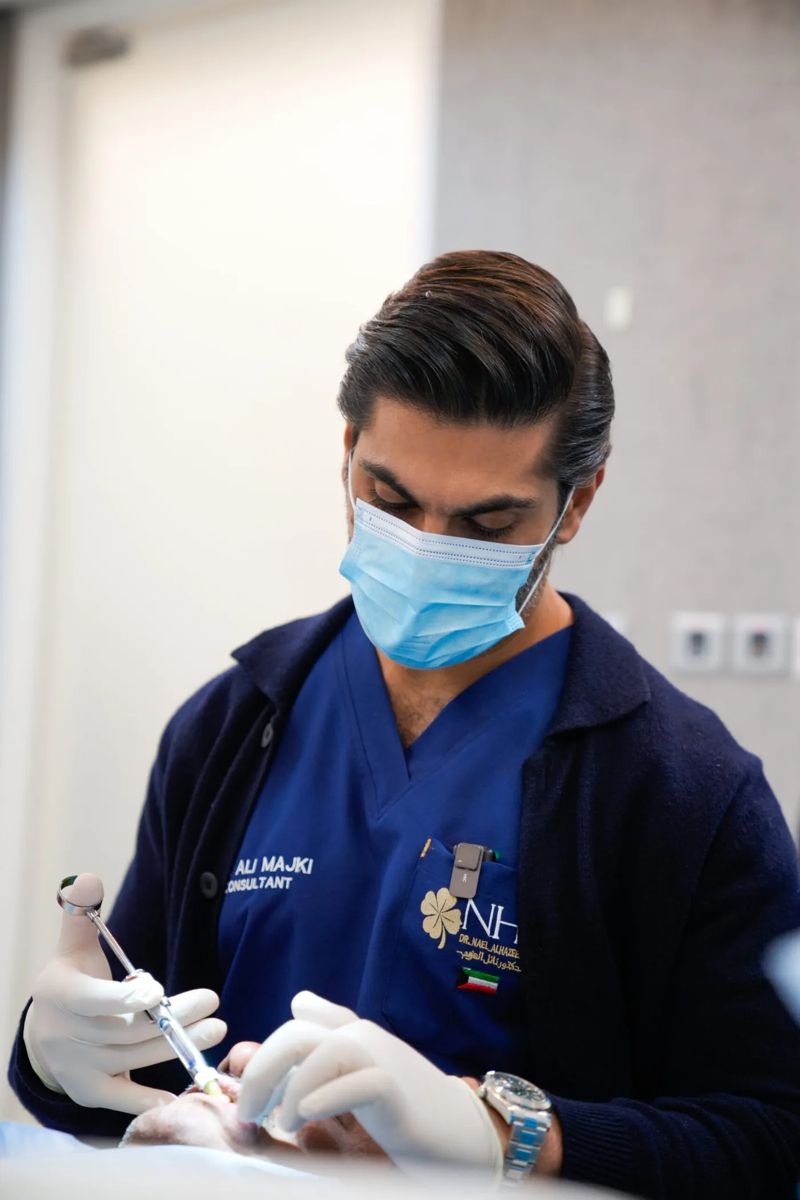
The correct tooth brushing technique
Point the bristles at roughly 45 degrees toward the gumline, where plaque collects, and use short, gentle strokes or small circles rather than long, hard scrubs. Cover every surface — outer, inner and biting — and give a little extra attention to the gumline and the back teeth, which are easy to miss. A sound tooth brushing technique cleans the whole mouth methodically; many people brush the same few spots hard and neglect the rest.
How much pressure to use
More pressure does not mean cleaner teeth. Brushing teeth too hard wears the enamel and makes the gums recede, which exposes sensitive roots. Hold the brush lightly, as you would a pen. If the bristles are splaying out within a few weeks, you are pressing too hard or the brush needs replacing. Many powered brushes have a pressure sensor that warns you when you push too hard.
Powered or manual brush?
Either works if used well. A Cochrane review found powered brushes reduce plaque and gum inflammation somewhat more than manual ones — around 11% less plaque in the short term and about 21% in the longer term — but it also noted the clinical importance of that difference is uncertain. In other words, a powered brush can help, especially for people who struggle with technique, but a manual brush used correctly still cleans thoroughly. Technique matters most.
Fluoride toothpaste
Fluoride is the active ingredient that protects teeth. A Cochrane review confirmed that fluoride toothpaste prevents decay compared with non-fluoride paste, with a dose-response relationship, and that concentrations of 1000 to 1500 parts per million are effective for adults. Use a pea-sized amount and make sure the paste you buy actually lists fluoride — some whitening or herbal pastes do not contain an effective amount.

Spit, do not rinse
After brushing, spit out the excess but do not rinse with water. Rinsing washes away the concentrated fluoride before it has done its job. Leaving a thin film of toothpaste on the teeth lets the fluoride keep working, which is one of the simplest ways to get more protection from the same brushing.
Common brushing mistakes
The usual errors are brushing too hard, rushing it in well under the recommended time, brushing immediately after acidic food or drink when the enamel is softened, neglecting the gumline and the inner surfaces, and keeping a frayed brush far too long. Brushing alone also misses the gaps between teeth, so daily flossing or interdental brushing is part of basic dental care. Dr. Ali Majki and the team review brushing technique at check-ups, because fixing these habits prevents far more trouble than treating it later.
Scientific sources
Yaacob M., Worthington H.V., Deacon S.A., Deery C., Walmsley A.D., Robinson P.G., Glenny A.M. Powered versus manual toothbrushing for oral health. Cochrane Database of Systematic Reviews, 2014. doi:10.1002/14651858.CD002281.pub3
Walsh T., Worthington H.V., Glenny A.M., Marinho V.C.C., Jeroncic A. Fluoride toothpastes of different concentrations for preventing dental caries. Cochrane Database of Systematic Reviews, 2019. doi:10.1002/14651858.CD007868.pub3
Frequently asked questions
How long should I brush my teeth? For about two minutes, twice a day, covering every surface rather than rushing.
Is an electric toothbrush better than a manual one? It can remove a little more plaque, but a manual brush used with good technique still cleans well — technique matters most.
Should I rinse with water after brushing? No — spit out the excess but leave the fluoride film, as rinsing washes the fluoride away before it works.
How hard should I press when brushing? Lightly, as you would hold a pen; hard brushing wears enamel and causes the gums to recede.
When should I brush if I have had something acidic? Wait a while after acidic food or drink, because brushing straight away can wear softened enamel.
Where can I get advice on brushing and dental care in Kuwait? Dr. Ali Majki sees patients at Aline Dental in Shaab, Kuwait; patients come to him from across Kuwait — from Jahra to Al-Rai and The Avenues — and from Doha and Qatar.