What is tooth decay?
Decay is the gradual breakdown of the tooth, starting when bacteria in plaque turn sugars into acids that dissolve enamel. It begins as a small spot and, left untreated, moves into the dentine and then the nerve.
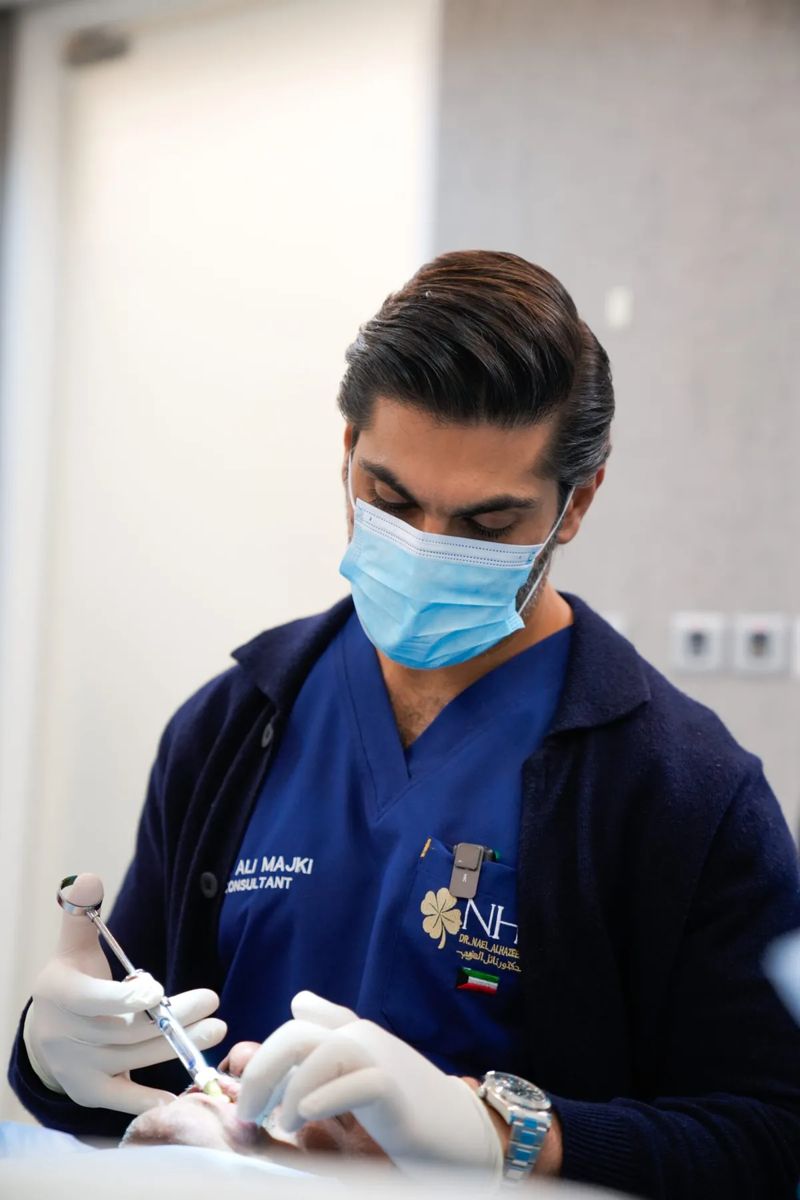
Early signs
White or brown spots on the tooth surface, sensitivity to sweet or cold, mild pain when eating, or food catching in the same place. Much early decay causes no pain at all, which is why regular check-ups matter.
Why it happens
Frequent sugary or acidic drinks through the day, incomplete cleaning at the gum line and between teeth, a dry mouth, and old fillings that leak at the edges.
How it is treated
It depends on depth: surface decay can be arrested with fluoride and care; deeper decay needs the affected part removed and a tooth-coloured filling. A badly weakened tooth needs a crown to protect it, and decay that reaches the nerve needs root canal treatment before restoration. The dentist decides after examination and X-rays.
Decay and cosmetic treatment
Any cosmetic treatment — whitening, veneers or smile design — starts from healthy teeth. Treating decay and replacing leaking old fillings comes first, so the cosmetic result lasts and is not built on a weak foundation.

Prevention
Brush twice a day with fluoride toothpaste, floss daily, cut down how often you have sugar, drink water, and have a check-up and cleaning roughly every six months.
Frequently asked questions
Does decay go away on its own? Decay that has reached the dentine does not reverse, but early white spots can be arrested with fluoride and good care.
Do I have to feel pain before seeing a dentist? No — much decay is painless until it is deep, and regular check-ups catch it early.
Where? Dr. Ali Majki sees patients at Aline Dental in Shaab, Kuwait; patients come to him from across Kuwait — from Jahra to Al-Rai and The Avenues — and from Doha and Qatar.
Cavities treatment in Kuwait: what to expect
Cavities treatment in Kuwait follows the same principle as anywhere good dentistry is practised: find decay early and keep as much natural tooth as possible. A small cavity is cleaned and sealed with a tooth-coloured filling in one short visit; a larger one may need an inlay or a crown so the tooth does not crack later; and decay that has reached the nerve needs root canal treatment before the tooth is restored.
Because early cavities are usually painless, a check-up and cleaning about every six months is what catches them while treatment is still simple. Dr. Ali Majki’s current clinic is Aline Dental in Shaab, Kuwait.